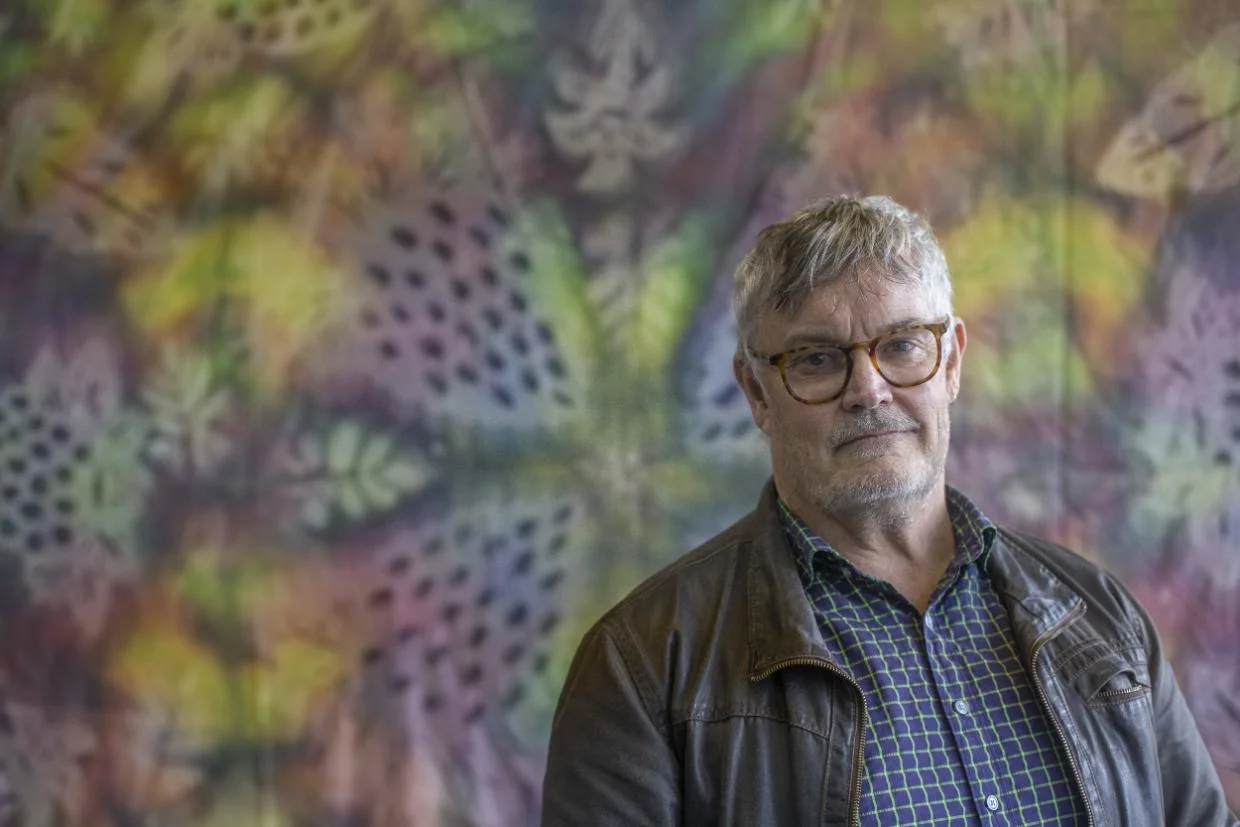

Charm Skinner

The Salvation Army is one of the six members of NZCCSS, and houses the Social Policy and Parliamentary Unit (SPPU). This unit, established in 2004, is a bastion of social research and policy evaluation that works alongside the work done by NZCCSS. The SPPU has a strong focus on the eradication of poverty, and their annual State of the Nation report tracks a wide variety of metrics year-to-year to uncover the harsh truth of poverty in Aotearoa.
This short piece, written by SPPU Te Ao Māori Policy Analyst Charm Skinner (Ngāti Wairere), outlines the newest facet of the State of the Nation Report, the inclusion of the dedicated Te Ora o Te Whānau section. Charm also discusses the importance of data framing, and the choices that those who present data must make in order to hold to ethical principles, especially in areas such as poverty and hardship.
NZCCSS is proud to represent The Salvation Army and to work alongside the SPPU to work towards a poverty-free Aotearoa. I would encourage you to read the full State of the Nation 2026 report for a sobering look at the levels of poverty and hardship across our nation.
– Rachel

Now in its 19th edition, the State of the Nation report assesses how Aotearoa is doing across the five domains: children and youth, work and incomes, housing, crime and punishment and social hazards.
The report has, for some years, included a section focusing specifically on how the statistics relate to Māori, but for the first time, the report includes an assessment of Māori wellbeing using the te ao Māori framework, Te Ora o Te Whānau. Grounded in the scholarship of the late Professor Manuka Henare and Professor Piri Sciascia and developed further by Sacha McMeeking in partnership with the National Iwi Chairs Forum, the framework offers a lens to interpret the data that centres collective wellbeing and whānau, rather than statistics and data alone.
Rather than presenting outcomes as deficits, we asked a different question: what structural settings are failing to uphold hauora and wellbeing? The framework’s interconnected layers — kawa, tikanga, ritenga and āhuatanga, trace how upstream influences shape downstream outcomes, allowing us to identify where collective effort is most needed to improve hauora and wellbeing outcomes.
This edition also for the first time, uses case stories from the frontline of The Salvation Army’s social services. Some of these narratives come from whānau who once engaged with our services and now give back as kaimahi—whether as volunteers, employees, or in faith-based roles. We saw this as essential. Data without context, risks reducing people to numbers and our responsibility is to handle that data in ways that are mana enhancing rather than stigmatising.
Where disparities emerged, we resisted framing them as failures of individuals or communities. Instead, through the lens of Te Ora o te Whānau, we named the systemic drivers that shape those inequities. This approach aligns with both te ao Māori and the guiding purpose of our unit: working toward the eradication of poverty in Aotearoa.
By embedding Te Ora o Te Whānau into the structure of the report from the outset, the final product reflects a more holistic, relationship centred understanding of wellbeing. It sharpens our analysis, grounds our conclusions and enables us to tell a story that truly honours our most vulnerable whānau and communities.
As a faith based organisation, The Salvation Army views Te Tiriti o Waitangi as a covenant, a sacred and enduring agreement that calls us into relationship, honour and shared responsibility. This understanding aligns deeply with our values of justice, dignity and partnership and with our Christian mission to serve others with compassion and integrity.
We chose to embed this framework throughout our reporting because it is our commitment to honouring our Te Tiriti obligations and because it is the right thing to do. The inequities we highlight are not new, but the urgency of change needed to address these dire statistics is real.
While we acknowledge we do not always get it perfect, we remain committed to learning, listening, and continually striving to uphold Te Tiriti in the way we work, the stories we tell and the systems we seek to influence.