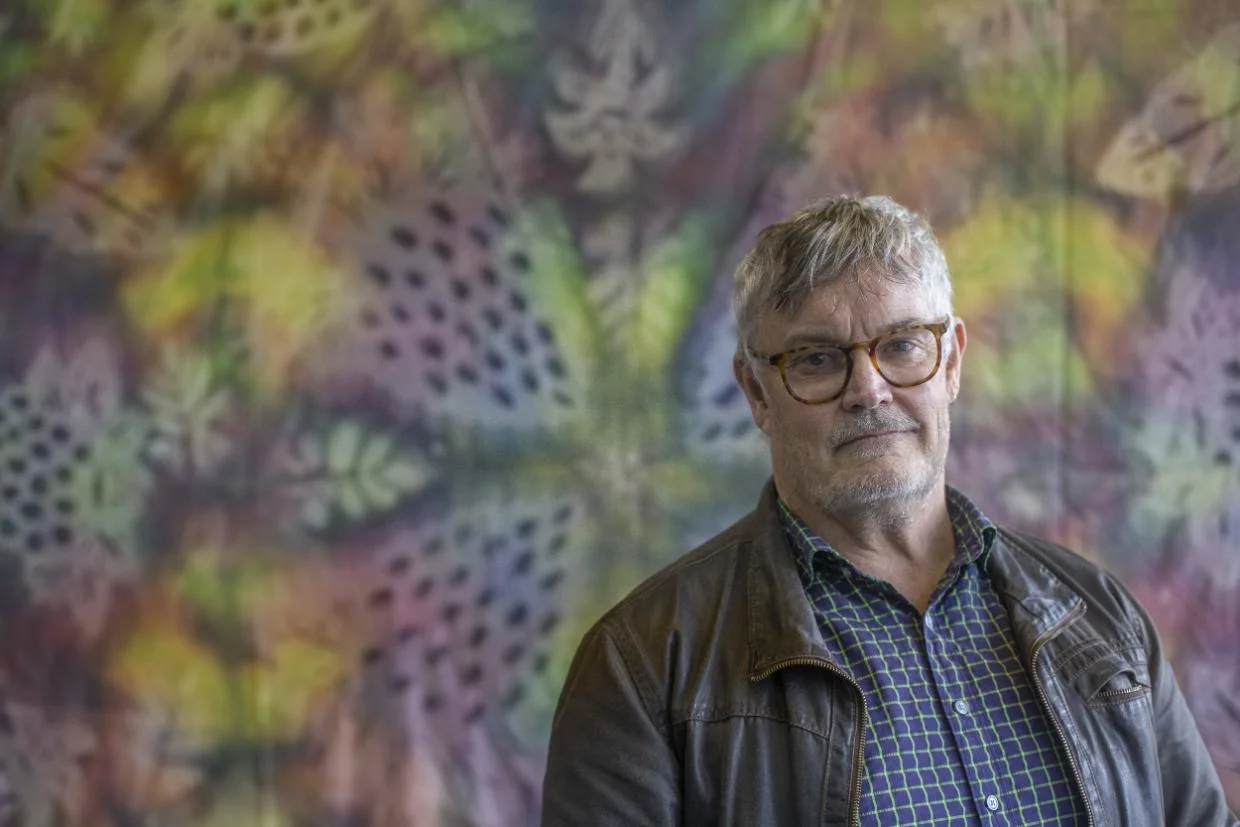

Rachel Mackay

Tēnā koutou, tēnā koutou, tēnā koutou kātoa.
Ko Rachel Mackay ahau.
I am the Senior Policy Analyst in the Older Persons Portfolio at the New Zealand Council of Christian Social Services, and I will be your Guest Editor for March. Unlike the illustrious previous editors and the outstanding ones lined up next, I am not a data expert. I am, primarily, a communicator. I like to ask big questions (like “how can we fund Aged Residential Care?” and “what is Older Persons Poverty?” and “why don’t more people have their Enduring Powers of Attorney?”). I then look to back up the answers with good quality information to try and effect change. To do this I need good data, which often leads me to questions about the integrity of the data we use, the way it was collected, the inferences that can be made of it, and how my own biases will impact the way that I, in turn, present it to others.
One of my favourite whakataukī is this:
Hurihia tō aroaro ki te rā, tukuna tā ātārangi kia taka ki muri i a koe.
Turn your face to the sun and let the shadows fall behind you.
For those of us who use data, spreadsheets and stories are the sun. We turn our faces, our questions, towards it and hope that we can leave behind the darkness of ignorance and misunderstanding. We want the truth hidden in the data we collect, curate and criticise to illuminate our understanding.

For those who work in the Christian social services sector, there is also another light to turn to for hope and truth – faith.
The New Zealand Council of Christian Social Services represents six Christian social service provision networks that operate across Aotearoa New Zealand. Over 100 organisations under our umbrella deliver community, health and social services in the hearts of communities, from Residential Aged Care to foodbanks, budgeting services to pastoral care, early childhood centres to in-home disability support. Their important work at the flax roots of community informs our work as we advocate for change that improves the lives of all New Zealanders. The central tenants of the mission of Jesus Christ – to serve others and to love your neighbour – are core to the work that we do, alongside our commitments to upholding Te Tiriti o Waitangi.
Like others in their fields, the nurses, managers, teachers, social workers, home care providers, team leaders, call centre operators, managers and CEOs of the faith-based social service providers handle a deluge of data. Personal information, social returns on investment, funding information, programme content, marketing and communication strategies, anecdotes and interviews. Everything has to be documented, recorded, analysed, and assessed – especially if you want to keep receiving funding for your programme.
In an environment where everything can and must be quantified, and there is an expectation that that data will not only be stored safely and reliably, but used to improve your organisational practice, how is this impacted by the lens of faith? How does faith and faithfulness impact the policies and processes that govern an organisation, including its data principles? How does it influence the ways that we think about data ethics, data innovation, data sovereignty, and even the concept of what data is?
Over the next few weeks I will be sharing with you some thoughts from within our membership. We have managed to find contributions from across our membership, from case studies and lenses in reports to musings and considerations. Along the way I’ll introduce each of our authors and their organisations so you can meet some of the amazing membership that we at NZCCSS are proud to represent.
Organising the pieces for this month has been a privilege and a joy and I hope that you find them as interesting and thought provoking as I have. I look forward to hearing your thoughts on each of the perspectives, especially if they may challenge you, and giving you a slightly different perspective as we move towards Easter.
Kia tau te rangimārie ki ā koe,
Rachel